


Page 55 - Naval_Research_Wing_2024_12_17
P. 55
40  Sri Lanka Navy Journal                                                  Sri Lanka Navy Journal  41


                      Autonomous Surface Vehicles (ASVs) are making waves in the fight against
 Table 1: Widespread projects of Autonomous Weapons in the world
               piracy, offering extended surveillance, data collection and potential deterrence
               capabilities. However, navigating the waters of this technology requires careful
               consideration of both its potential and limitations.

                      Extended Surveillance, unlike human-operated vessels, ASVs can patrol
               vast swathes of the ocean tirelessly, covering significantly more ground and pro-
               viding crucial eyes on areas prone to pirate activity. This continuous presence
               can act as a potent deterrent, discouraging pirates from attempting attacks in
               the first place.


                      Data  Collection, equipped with  advanced sensors  and data-gathering
               tools, ASVs can collect valuable information about pirate movements, locations
               and activities in real-time. This comprehensive data stream can be used to in-
               form decision-making, improve situational awareness and track suspicious ves-
               sels.

                      Certain ASVs can be equipped with non-lethal deterrents such as water
               cannons or sonic blasts. These measures aim to disorient or disable pirate ves-
               sels without causing harm, offering a potentially less provocative response com-
               pared to traditional methods.
 Source : Michael T. Klare, Dec 2023


 Emerging Technologies and Systems


    While fully autonomous weapons haven’t been deployed in anti-piracy
 operations, several Autonomous and Remotely Controlled Systems (ARCS) show
 promising potential for combating piracy. These systems offer potential benefits
 for surveillance, data collection and even non-lethal deterrence. But carefully
 considerations on ethical, legal and technical limitations are more important.
 (Michael T. Klare, Dec 2023).


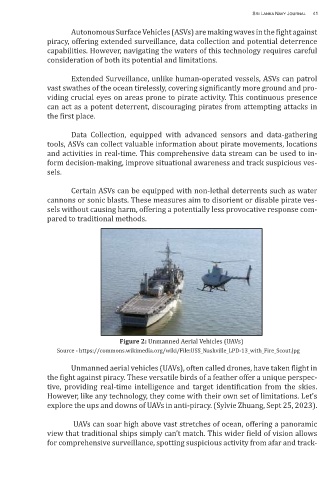
                                     Figure 2: Unmanned Aerial Vehicles (UAVs)
                  Source - https://commons.wikimedia.org/wiki/File:USS_Nashville_LPD-13_with_Fire_Scout.jpg

                      Unmanned aerial vehicles (UAVs), often called drones, have taken flight in
               the fight against piracy. These versatile birds of a feather offer a unique perspec-
               tive,  providing  real-time  intelligence  and  target  identification  from  the  skies.
               However, like any technology, they come with their own set of limitations. Let’s
               explore the ups and downs of UAVs in anti-piracy. (Sylvie Zhuang, Sept 25, 2023).

 Figure 1: Autonomous Surface Vehicles (ASVs) Autonomous Surface Vehicles (ASVs)      UAVs can soar high above vast stretches of ocean, offering a panoramic
 Source - https://www.oryxspioenkop.com/2022/10/meet-turkiyes-indigenous-unmanned.html
               view that traditional ships simply can’t match. This wider field of vision allows
               for comprehensive surveillance, spotting suspicious activity from afar and track-

