


Page 56 - Naval_Research_Wing_2024_12_17
P. 56
42  Sri Lanka Navy Journal


       ing pirate movements in real-time. UAV’s/Drones are conducting aerial surveil-
       lance over the ocean. Equipped with advanced sensors and cameras, UAVs gath-
       er crucial data and intelligence. They can identify suspicious vessels, monitor
       pirate activity and even provide weather updates, all in real-time. This informa-
       tion empowers authorities to make informed decisions and take swift action.
       (June 13, 2015)


              Zoom in on specific vessels with high-resolution cameras and zoom lens-
       es. UAVs can provide detailed identification of suspected pirate boats, allowing
       authorities to assess the situation and make informed decisions about poten-
       tial interventions. While offering extended coverage compared to manned air-
       craft, UAVs have limited flight times, typically ranging from 30 minutes to several
       hours. This necessitates strategic deployment and frequent battery swaps. Ad-
       ditionally, weather conditions can significantly impact their flight capabilities,
       limiting their effectiveness in storms or strong winds.


              The use of UAVs for surveillance raises concerns about privacy, particu-
       larly in areas with high civilian activity. Striking a balance between effective an-
       ti-piracy measures and respecting individual privacy rights remains a challenge.
       Like any  connected device,  UAVs are susceptible  to  cyber-attacks.  Malicious
       actors could potentially hijack their control systems, manipulate data feeds, or
       even use them for unintended purposes. Robust cyber security measures are
       crucial to mitigate these risks.


              Despite  the  limitations,  UAVs  offer  significant  potential  for  enhancing
       anti-piracy operations. Technological advancements are constantly improving
       flight times, weather resistance and cyber security. Responsible use, coupled
       with clear regulations and international cooperation, can ensure these aerial as-
       sets contribute to a safer maritime environment.


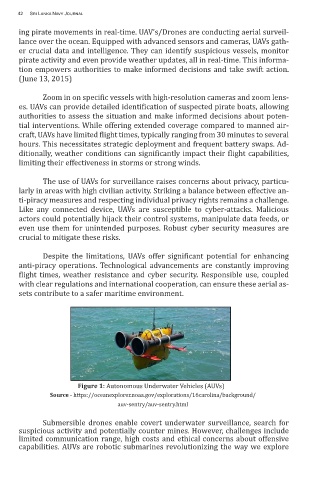
                        Figure 1: Autonomous Underwater Vehicles (AUVs)
                Source - https://oceanexplorer.noaa.gov/explorations/16carolina/background/
                                    auv-sentry/auv-sentry.html

              Submersible drones enable covert underwater surveillance, search for
       suspicious activity and potentially counter mines. However, challenges include
       limited communication range, high costs and ethical concerns about offensive
       capabilities. AUVs are robotic submarines revolutionizing the way we explore

